
CIC Scientific Report
Core Facilities

6 scientific & technical platforms

CIC’s Core Facilities provide specialized scientific and technical support across genomics, proteomics, advanced cellular analyses, pathology, bioinformatics and mouse model experimentation.

Core facilities overview

The Core Facilities section brings together six scientific and technical platforms that support CIC research groups and external users through specialized technologies, experimental workflows, data analysis and research services.
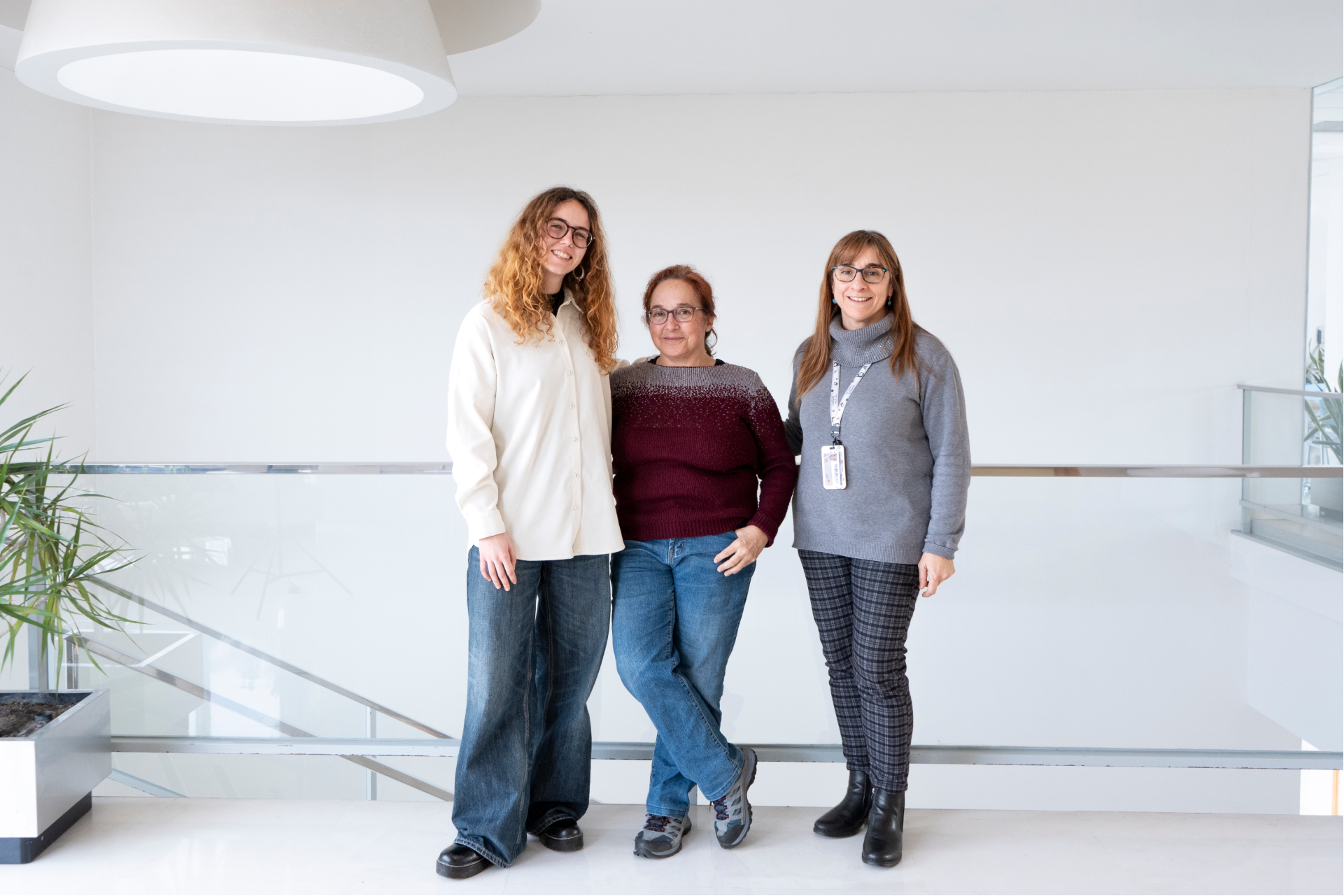
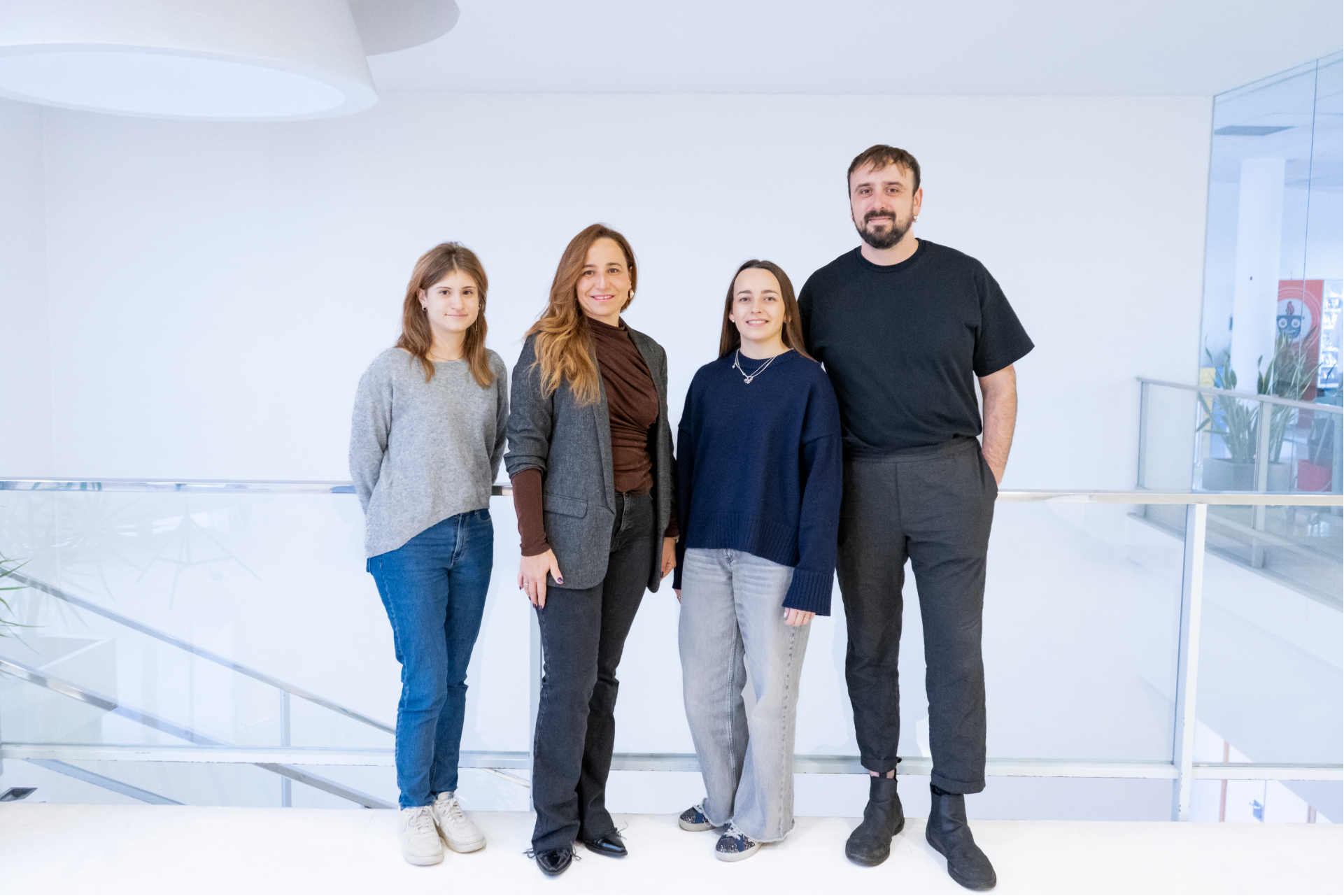
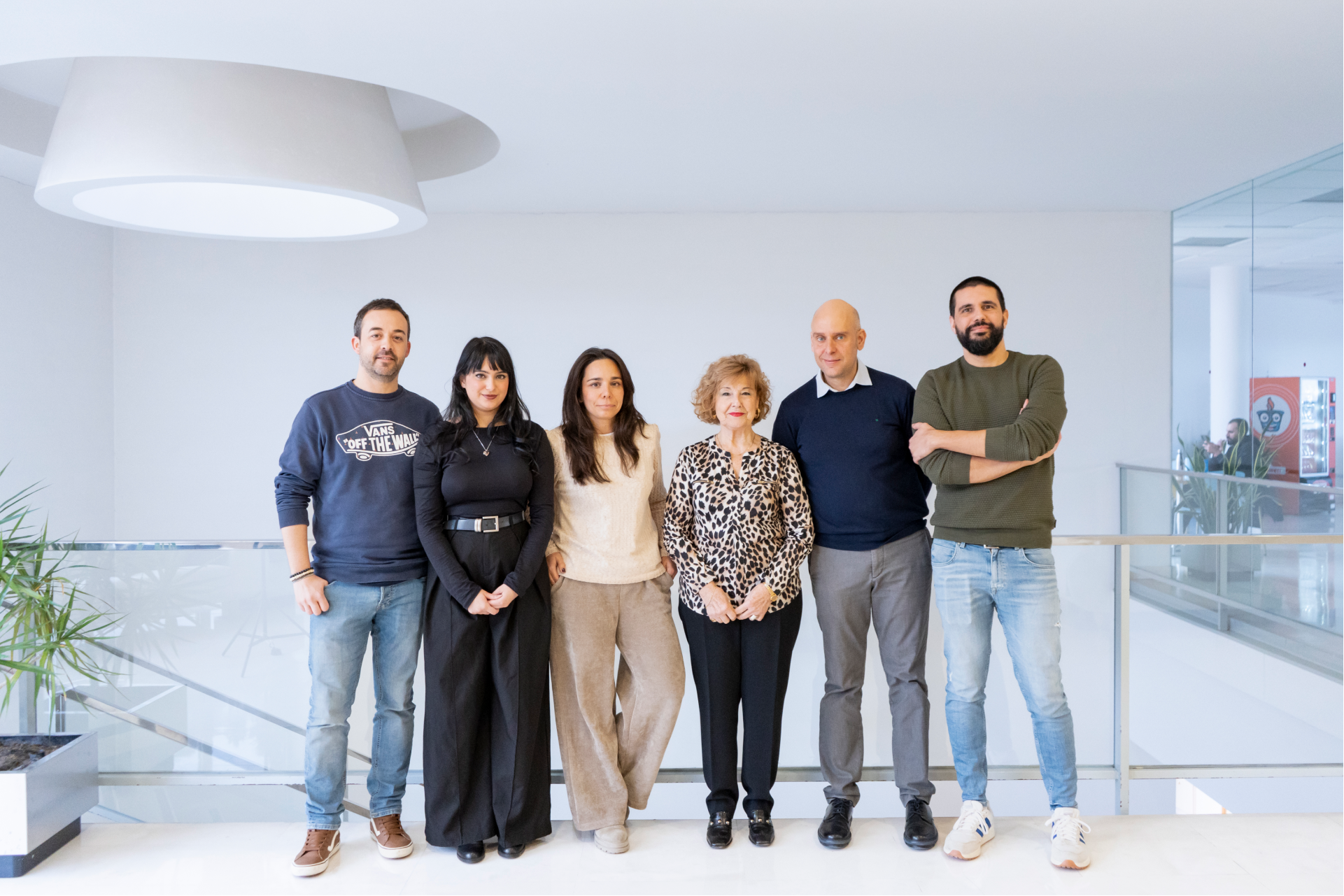
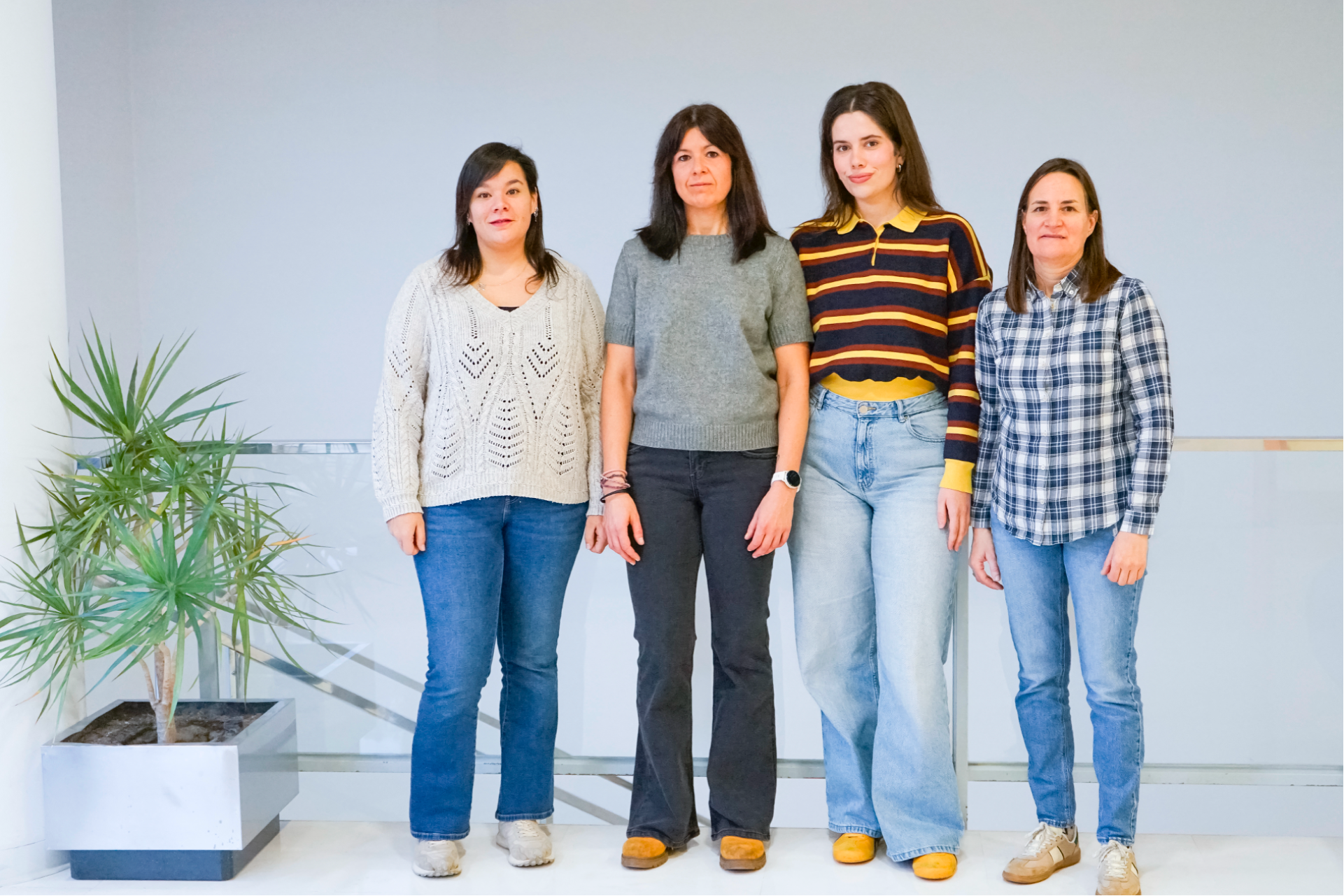
  • Genomics Core Facility team at CIC
    • Complete microarray and sequencing services
    • Support for CIC and external users
    • Certified quality and safety management systems
  • Proteomics Core Facility team at CIC
    • End-to-end proteomics support
    • Mass spectrometry-based protein identification and quantification
    • Advanced bioinformatics interpretation
    • Academic and industry collaborations
  • Advanced Cellular Analyses Core Facility team at CIC
    • High-resolution imaging technologies
    • Super-resolution microscopy
    • Advanced flow cytometry and cell sorting
    • Training and consultation for internal and external users
  • Pathology Core Facility team at CIC
    • Histology, immunohistochemistry and molecular tissue analysis
    • Biobanking coordination through BEOCyL
    • NUCLEUS-associated research support service
    • Quality and occupational safety certifications
    • Over 5,000 datasets analysed since 2008
    • Support for academic and industry projects
    • Part of the CSIC-INB/ELIXIR Spain network
  • Mouse Model Experimentation Unit team at CIC
    • Comprehensive support for mouse model research
    • Weekly task request system
    • Mouse colony management through Raton Manager
    • Genotyping reports with gel photograph and mouse metadata
3.1

Genomics

Genomics Core Facility team at CIC
10
Capabilities
2
Certifications

The Genomics Unit provides comprehensive support for genetic material analysis, offering services such as DNA sequencing, gene expression profiling, and genotyping.

The facility is equipped to analyze RNA and DNA samples using advanced technologies to ensure high-quality and reproducible results.

The Unit offers support to both CIC and external users, managing the complete analytical process from the experimental sample to technical advice, experimental design and quality control.

  • Complete microarray and sequencing services
  • Support for CIC and external users
  • Certified quality and safety management systems

People

Scientific coordinator

  • Sandra Blanco Benavente

Unit coordinator

  • M. Encarnación Fermiñán Benito

Team

  • Eva María García
  • Estela Hernández
  • Paula Martínez López

Capabilities

  • DNA sequencing
  • Gene expression profiling
  • Genotyping
  • RNA and DNA sample analysis
  • Genome-wide expression profiling
  • Single nucleotide polymorphism analysis
  • Customized genomic assays
  • Home-printed microarrays
  • Experimental design advice
  • Sample quality control

Services

Genomics services

Service counts by year. Full figures are in the table below.

Genomics: Sequencing — 2024 8,661, 2025 5,729; Agilent — 2024 754, 2025 634; Affymetrix genotyping and expression profile — 2024 180, 2025 131.

  • 2024
  • 2025
Genomics servicesservice count
Service20242025
Sequencing8,6615,729
Agilent754634
Affymetrix genotyping and expression profile180131

Certifications & networks

Certifications

  • ISO 9001 certified facility and experimental protocols
  • OHSAS 18001 Occupational Health and Safety Management System
3.2

Proteomics

Proteomics Core Facility team at CIC
15
Capabilities
1
Certification

The Proteomics Unit offers access to cutting-edge platforms for the comprehensive study and identification of proteins and peptides.

Its services cover protein identification and quantification, comparative proteomics, analysis of post-translational modifications and investigation of protein–protein interactions.

The Unit provides advice and support during experimental design, sample preparation, nano-LC separation, tandem mass spectrometry analysis and comprehensive data analysis.

For quantitative proteomics, the Unit offers both label-free approaches and isotopic labeling methods, including SILAC.

  • End-to-end proteomics support
  • Mass spectrometry-based protein identification and quantification
  • Advanced bioinformatics interpretation
  • Academic and industry collaborations

People

Scientific coordinator

  • José M. de Pereda

Unit coordinator

  • Nieves Ibarrola de Andrés

Team

  • Rosa María Dégano Blázquez
  • Marina Redondo Cadenas

Capabilities

  • Protein identification
  • Protein quantification
  • Comparative proteomics
  • Post-translational modification analysis
  • Protein–protein interaction analysis
  • Experimental design support
  • Customised sample preparation
  • Nano-HPLC/MS
  • Nano-LC separation
  • Tandem mass spectrometry
  • Label-free quantitative proteomics
  • SILAC
  • High-throughput mass spectrometry data analysis
  • Bioinformatics interpretation
  • GO functional annotation

Services

Proteomics services

Service counts by year. Full figures are in the table below.

Proteomics — Services by year: 2024 73, 2025 61.

Proteomics servicesservice count
Service20242025
Services7361

Certifications & networks

Certifications

  • ISO 9001 certification
3.3

Advanced Cellular Analyses

Advanced Cellular Analyses Core Facility team at CIC
28
Capabilities

The Advanced Cellular Analyses Unit provides researchers with cutting-edge imaging and cytometry technologies for cellular and molecular studies.

Microscopy services cover widefield, confocal laser scanning, nanoscopy and mesoscopy, supporting both fixed and live-cell imaging.

Advanced applications include super-resolution imaging such as STED, TIRF-M and PALM/STORM, as well as molecular interaction studies by FLIM-FRET and crossN&B.

The Unit also offers high-performance flow cytometry services, including multiparametric cell analysis and fluorescence-activated cell sorting.

The Unit is open to CIC research groups and external institutions, offering technical support, training and consultation.

  • High-resolution imaging technologies
  • Super-resolution microscopy
  • Advanced flow cytometry and cell sorting
  • Training and consultation for internal and external users

People

Scientific coordinators

  • Alberto Martín Pendás
  • Miguel Vicente Manzanares

Unit coordinator

  • Ana Isabel García Vega

Team

  • Alicia Diosdado
  • Dirk Fennema Galparsoro
  • Lucía Girón López
  • Marina Tamayo

Capabilities

  • Widefield microscopy
  • Confocal laser scanning microscopy
  • Nanoscopy
  • Mesoscopy
  • Fixed-cell imaging
  • Live-cell imaging
  • STED
  • TIRF-M
  • PALM/STORM
  • FLIM-FRET
  • CrossN&B
  • RICS
  • FRAP
  • N&B
  • Large-scale image processing
  • Tiling
  • Stitching
  • 3D co-localization analysis
  • Cell tracking
  • Shape recognition
  • Quantitative fluorescence analysis
  • Membrane fluidity studies
  • Membrane potential analysis
  • Microviscosity studies
  • Hydrophobicity of lipid droplets
  • Flow cytometry
  • FACS
  • Multiparametric cell analysis

Services

Advanced Cellular Analyses services

Service counts by year. Full figures are in the table below.

Advanced Cellular Analyses: Confocal — 2024 546, 2025 611; Cytometry — 2024 848, 2025 469; In vivo — 2024 68, 2025 55.

  • 2024
  • 2025
Advanced Cellular Analyses servicesservice count
Service20242025
Confocal546611
Cytometry848469
In vivo6855
3.4

Pathology

Pathology Core Facility team at CIC
18
Capabilities
2
Certifications
2
Networks

The Pathology Unit specializes in the histological, immunohistochemical and molecular analysis of human, animal and plant tissue samples.

The Unit offers services tailored to researchers’ needs, including routine tissue staining, immunohistochemistry, multiplexing, tissue microarrays and laser microdissection microscopy.

Histopathology services include tissue processing, paraffin embedding, sectioning and hematoxylin-eosin staining for morphological evaluation.

Laser microdissection technology enables the isolation of specific cells from complex tissues for molecular characterization.

The Unit contributes to education and training, student mentorship programs and collaborative research initiatives.

  • Histology, immunohistochemistry and molecular tissue analysis
  • Biobanking coordination through BEOCyL
  • NUCLEUS-associated research support service
  • Quality and occupational safety certifications

People

Scientific coordinator

  • María del Carmen García Macías

Team

  • Susana Fraile Martín
  • Jairo Nieto Castro
  • Ángel Luis Prieto Martín
  • Telmo Rodrigues Teixeira
  • Iva Svetolavova Boteva

Capabilities

  • Histological analysis
  • Immunohistochemical analysis
  • Molecular tissue analysis
  • Human tissue samples
  • Animal tissue samples
  • Plant tissue samples
  • Routine tissue staining
  • Immunohistochemistry
  • Multiplexing
  • Tissue microarrays
  • Laser microdissection microscopy
  • Tissue processing
  • Paraffin embedding
  • Sectioning
  • Hematoxylin-eosin staining
  • Biomarker detection
  • Pathological interpretation
  • Diagnostic sample processing

Services

Pathology services

Service counts by year. Full figures are in the table below.

Pathology: Internal — 2024 571, 2025 538; External — 2024 674, 2025 631.

  • 2024
  • 2025
Pathology servicesservice count · samples in parentheses
Service20242025
Internal571(4,741 samples)538(4,865 samples)
External674(6,385 samples)631(6,232 samples)

Sample values are provided in parentheses in the source report.

Certifications & networks

Certifications

  • ISO 9001:2015 Quality Management certification
  • ISO 45001:2018 Occupational Health and Safety Management certification

Networks

  • Coordinating Node of the Biobanks Network for Oncological Diseases of Castilla y León (BEOCyL)
  • Research support service associated with the NUCLEUS Service of the University of Salamanca
3.5

Bioinformatics

16
Capabilities
1
Network

The Bioinformatics Unit works at CIC with the help and support of the Bioinformatics and Functional Genomics Research Group.

The Unit provides specialized computational analysis services to support research in genomics, transcriptomics, proteomics and other omics disciplines.

The team assists scientists in data processing, interpretation and integration, applying advanced bioinformatics tools to extract meaningful insights from complex biological datasets.

The Unit has extensive expertise in high-throughput sequencing data analysis, including RNA-Seq, whole-genome sequencing and custom panel analysis.

Since its establishment in 2008, the Unit has analysed over 5,000 datasets from diverse experimental platforms, supporting both academic and industry projects.

  • Over 5,000 datasets analysed since 2008
  • Support for academic and industry projects
  • Part of the CSIC-INB/ELIXIR Spain network

People

Scientific coordinator

  • Sandra Blanco Benavente

Unit coordinator

  • Diego Alonso López

Capabilities

  • Genomics data analysis
  • Transcriptomics data analysis
  • Proteomics data analysis
  • Other omics analysis
  • Data quality control
  • Alignment
  • Variant calling
  • Differential expression analysis
  • Functional annotation
  • Protein-protein interaction studies
  • Structural modelling
  • Pathway enrichment analysis
  • High-throughput sequencing data analysis
  • RNA-Seq
  • Whole-genome sequencing
  • Custom panel analysis

Services

Bioinformatics data analysis

Service counts by year. Full figures are in the table below.

Bioinformatics — Data analysis by year: 2022 55, 2023 46.

Bioinformatics data analysisanalysis count
Service20222023
Data analysis5546

The source report shows this service table for 2022 and 2023, not for 2024 and 2025.

Certifications & networks

Networks

  • CSIC-INB/ELIXIR Spain network
3.6

Mouse Model Experimentation Unit

Mouse Model Experimentation Unit team at CIC
16
Capabilities

The Mouse Model Experimentation Unit (UEMM) offers comprehensive support to CIC users conducting research with mouse models.

During this period, the Unit was staffed by two full-time technicians with over 15 and 5 years of experience, respectively, as well as two technicians from the Youth Guarantee Program of the Junta de Castilla y León.

The Unit uses a weekly task request system, allowing users to specify required tasks in advance.

The UEMM maintains the mouse colony management software Raton Manager, which houses detailed information on all mouse colonies.

For genotyping services, the Unit provides a photograph of the gel and a detailed report including mouse number, sex, weaning cage and parentage.

  • Comprehensive support for mouse model research
  • Weekly task request system
  • Mouse colony management through Raton Manager
  • Genotyping reports with gel photograph and mouse metadata

People

Scientific coordinator

  • Carmen Guerrero Arroyo

Team

  • Sabrina de la Fuente
  • Marina Jiménez Ruiz
  • Rosa Martínez Camino
  • Isabel Ramos Fernández

Capabilities

  • Mouse model experimentation support
  • Weekly task request management
  • Mouse colony management
  • Raton Manager software maintenance
  • Crosses
  • Crosses for MEFs
  • Tagging
  • Intraperitoneal injection
  • Intravenous injection
  • Subcutaneous injection
  • Oral gavage
  • Venipuncture
  • Euthanasia
  • DNA extraction
  • DNA extraction and genotyping by PCR
  • Genotyping reports

Services

Mouse model servicesservice count
Service2024 (since May)2025
Crosses287458
Crosses for MEFs7849
Tagging10,37112,870
IP161682
IV2332
SC67816
Oral gavage39628
Venipuncture2,69812
Euthanasia4,831

The 2024 row is marked as 'since May' in the source. The source table leaves Euthanasia blank for 2024; it is represented as null (rendered as 'Not provided'), never as 0.

DNA extraction and genotyping servicesservice count
Service2024 (since May)2025
DNA extraction2,3632,948
DNA Extraction + Genotyping by PCR5,7056,075

The 2024 row is marked as 'since May' in the source.

Explore the complete CIC Scientific Report 2024–2025.