

- Hereditary cancer risk assessment and genetic testing
- Collaboration with the University Hospital of Salamanca
4 clinical & translational services
CIC’s Diagnostic Services support hereditary cancer risk assessment, cytogenetic and molecular characterization, and advanced cellular diagnostics through specialized clinical and research-oriented platforms.
The Diagnostic Services section brings together four specialized services that support hospitals, clinical teams, research groups and external institutions through genetic counseling, cytogenetics, molecular diagnostics and cellular diagnostic technologies.
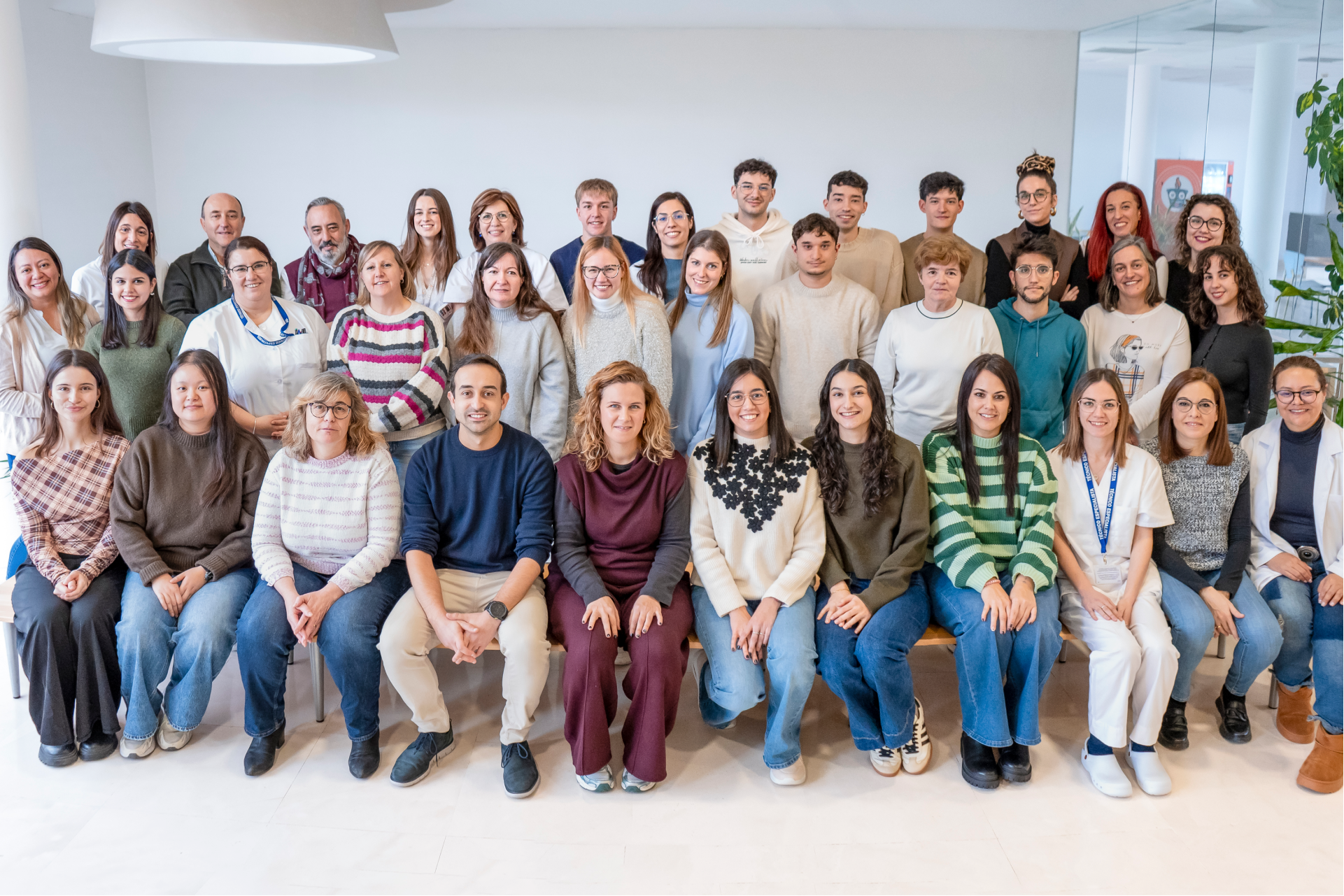
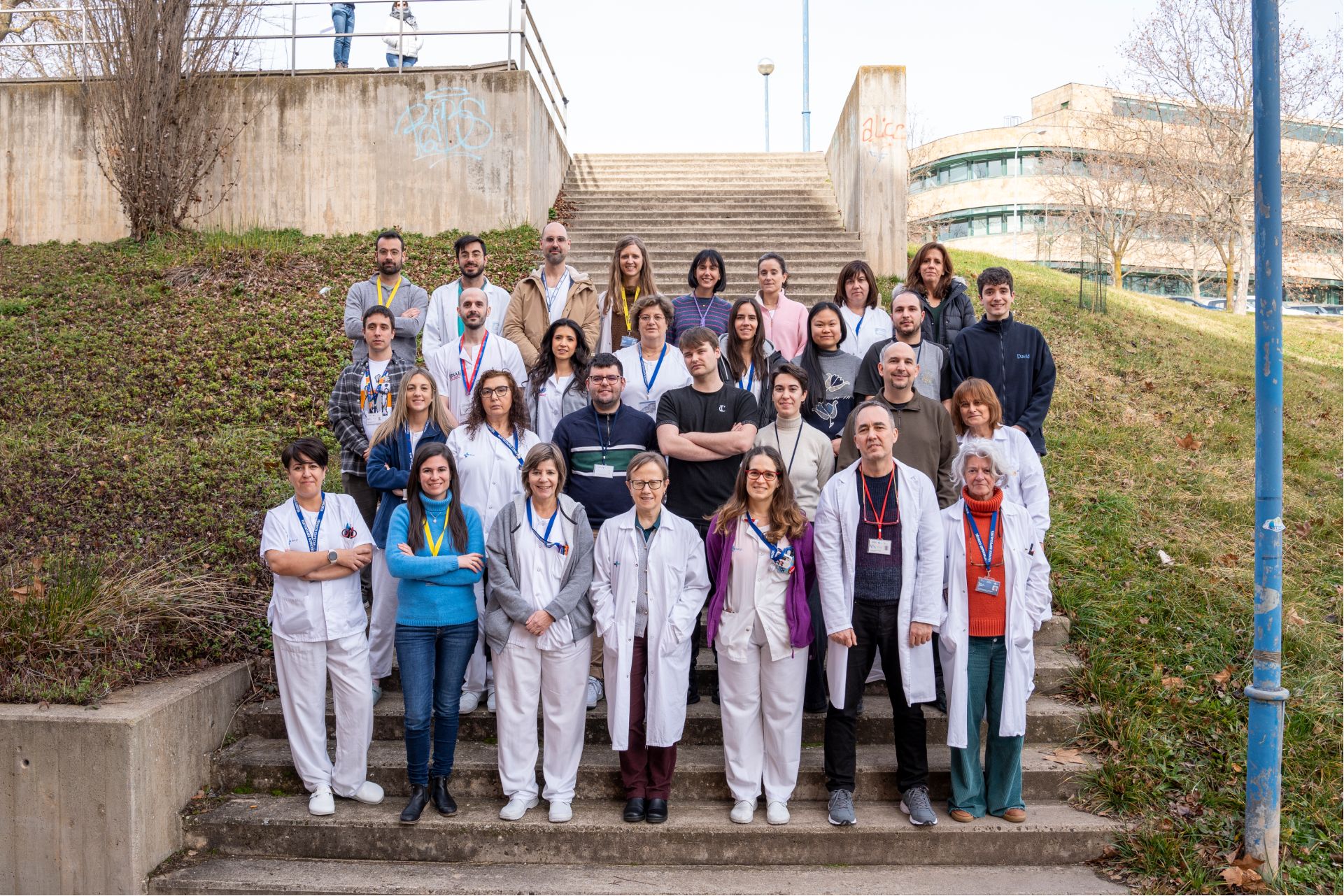
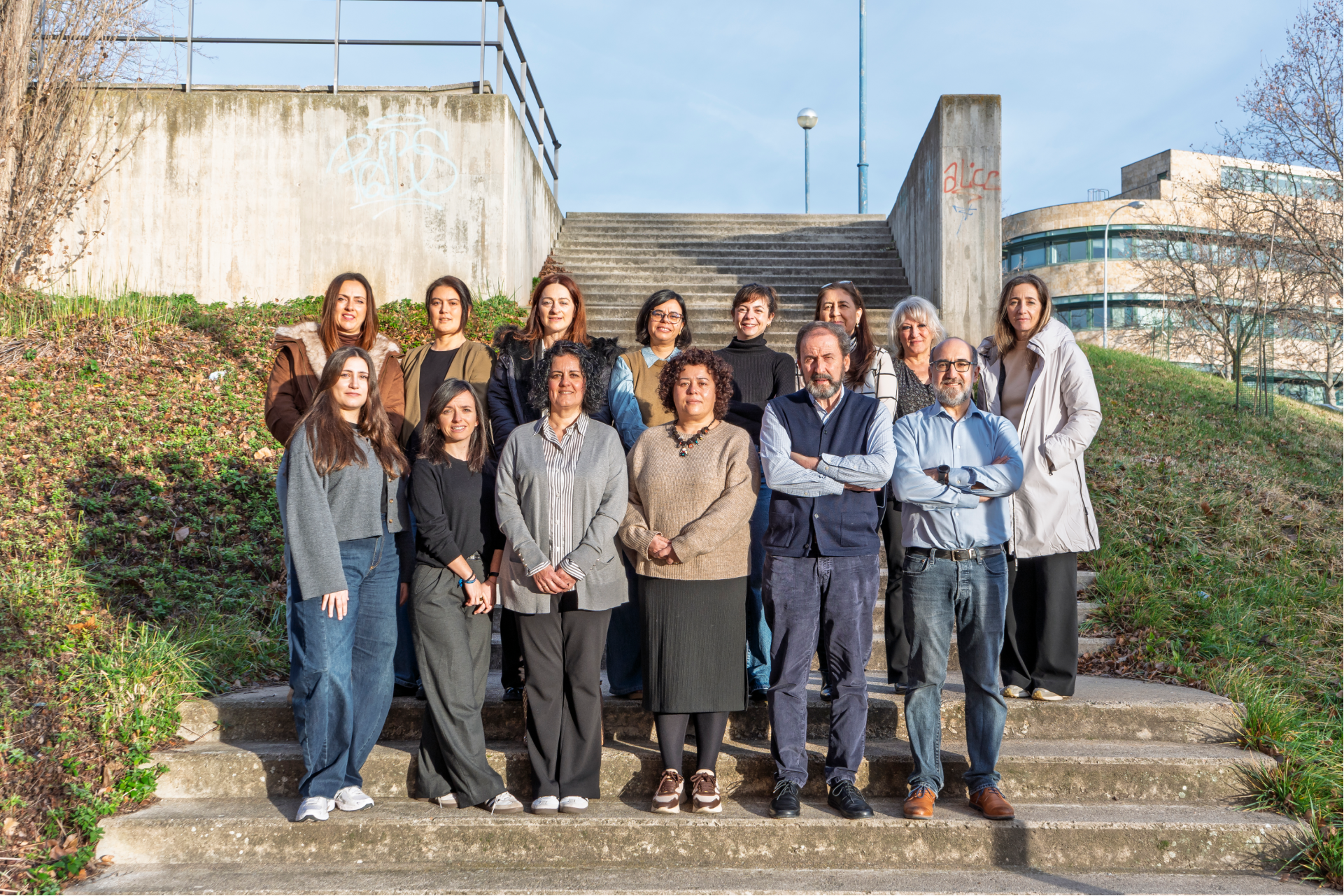
The Hereditary Cancer Laboratory at CIC collaborates with the Genetic Counseling Unit for Hereditary Cancer, which operates within the Clinical Oncology Department of the University Hospital of Salamanca.
Both entities are supported by the Consejería de Sanidad of the Junta de Castilla y León.
The laboratory provides services to hospitals and professionals across Spain, ensuring accurate hereditary cancer risk assessment and genetic testing for patients and families.
The Genetic Counseling Unit offers in-depth patient evaluations, genetic testing interpretation, and personalized recommendations to mitigate hereditary cancer risks.
Patients found to carry pathogenic mutations receive tailored strategies, including clinical monitoring, lifestyle modifications, and preventive measures.
While the primary focus is on hereditary breast and ovarian cancer, as well as colorectal cancer, the laboratory is equipped to analyze any hereditary cancer syndrome requiring genetic study.
Its ongoing collaboration with hospitals and research institutions supports the advancement of knowledge in hereditary oncology and aims to improve patient outcomes.
Volume by year. Full figures are in the table below.
Hereditary Cancer and Genetic Counseling: New services — 2024 525, 2025 409; Revisions — 2024 1,125, 2025 1,300.
| Activity | 2024 | 2025 |
|---|---|---|
| New services | 525 | 409 |
| Revisions | 1,125 | 1,300 |
Scientific coordinator
Rogelio González Sarmiento
The Molecular Cytogenetic Service is a key facility focused on genetic analysis of cancer patients.
The service offers karyotypic analysis, fluorescence in situ hybridization, microarrays, next-generation sequencing and optical genome mapping.
It supports over 100 hospitals across Spain and occasionally in the European Union.
The service collaborates with prominent groups in the treatment of hematological malignancies, providing genetic characterization and technical assistance for clinical trials.
The service also leads and participates in significant international projects focused on cancer treatment, Big Data and advanced diagnostic approaches.
Volume by year. Full figures are in the table below.
Cytogenetic Diagnostic Service: Services — 2024 4,400, 2025 4,494.
| Activity | 2024 | 2025 |
|---|---|---|
| Services | 4,400 | 4,494 |
Scientific coordinator
Jesús María Hernández Rivas
The Molecular Biology Unit is a facility aimed at deep molecular analysis of samples to contribute to the definitive diagnosis of hematological malignancies, including leukemias, lymphomas and myelomas.
The Unit also carries out high-resolution HLA typing, detailed chimerism studies in patients who underwent allogeneic stem-cell transplantation and molecular studies in coagulopathies.
The Molecular Biology Unit is the reference center for Castilla y León Hospitals.
More than 50 hospitals in Spain, and occasionally other foreign institutions, have used the Unit’s services.
The Unit actively collaborates in the treatment of hematological malignancies, technical standardization and clinical guidelines with relevant Spanish groups.
It provides characterization of molecular abnormalities and studies on molecular monitoring of drug efficacy, including Minimal Residual Disease studies in patients included in clinical trials.
The Unit is also a reference center of the national platform for advanced and centralized molecular diagnosis and MRD monitoring of acute myeloid leukemia within PETHEMA.
The Unit participates or has participated in several international projects focused on standardization, clonality, next-generation sequencing and TP53 sequencing.
Volume by year. Full figures are in the table below.
Molecular Diagnostic Service: Samples received — 2024 21,561, 2025 20,102.
| Activity | 2024 | 2025 |
|---|---|---|
| Samples received | 21,561 | 20,102 |
Scientific coordinator
Norma Gutiérrez Gutiérrez
The Flow Cytometry Service has conducted more than 10,000 assays, the vast majority in support of clinical diagnosis.
These activities are primarily based on advanced techniques such as immunophenotyping, in situ hybridization and molecular biology, mainly requested by hospital centres.
The service provides analytical support for a wide range of research projects, including internal initiatives as well as national and international collaborative and external studies.
The Flow Cytometry Service serves a broad and diverse user base of approximately 150 institutions, including hospitals and both public and private organizations.
The service has contributed to Article 60 contracts with the University of Salamanca, competitive research projects, patents and peer-reviewed publications.
It maintains a strong commitment to education, training and dissemination in the field of cytometry, particularly in clinical applications.
The Flow Cytometry Service is led by the research group of Alberto Orfao, an internationally recognized leader in flow cytometry and haematological diagnostics.
The group has played a pioneering role in standardized methodologies for immunophenotypic analysis and minimal residual disease detection, contributing to international guidelines and multicentre studies.
Relative activity volumes during 2024-2025. Exact figures and qualifiers are in the table below.
Cellular Diagnostic Service activity during 2024-2025: Data acquisition hours more than 1,375, Assisted operation hours 200, Cell sorting hours more than 1,650, Samples processed 1,782, Data analysis hours more than 1,760, Active users 54, National research projects 5.
| Activity | 2024-2025 |
|---|---|
| Data acquisition hours | 1,375 |
| Assisted operation hours | 200 |
| Cell sorting hours | 1,650 |
| Samples processed | 1,782 |
| Data analysis hours | 1,760 |
| Active users | 54 |
| National research projects | 5 |
Scientific coordinator
Alberto Orfao de Matos Correia e Vale